 Skip to content



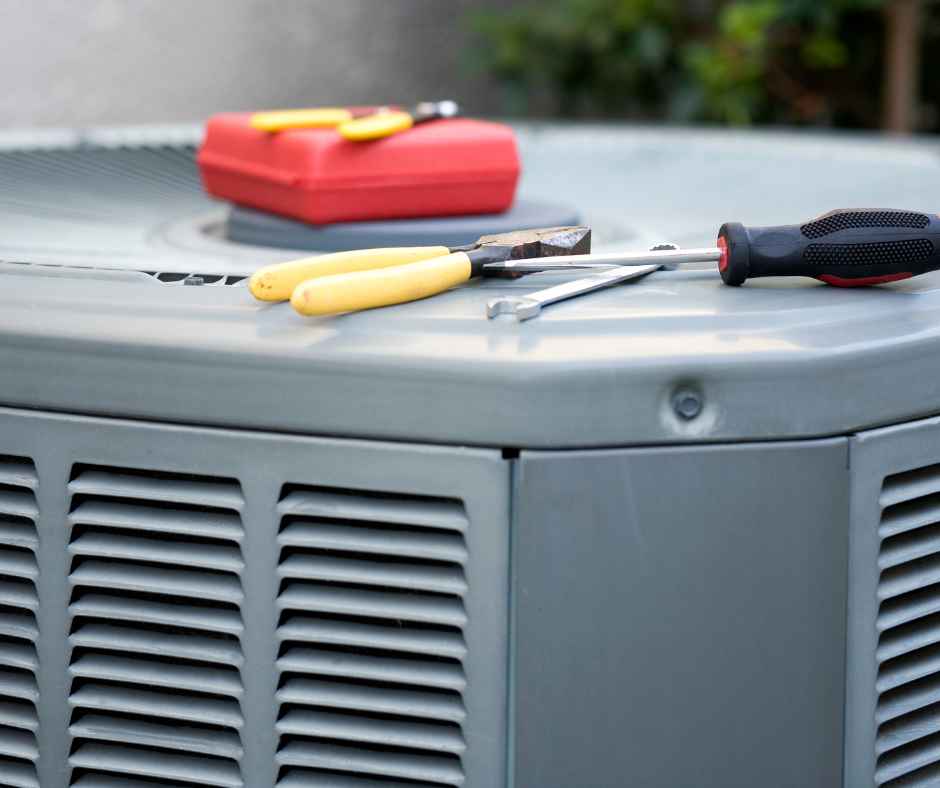
In East Dallas, the arrival of summer isn’t just a change in the weather; it is a test of endurance for your home’s air conditioning system. When the temperature starts climbing toward triple digits, most homeowners become hyper-aware of every hum and click coming from their outdoor unit. Yet, despite the high stakes of a Texas summer, many people hesitate to call for professional help when they first notice something is wrong.
In this guide, we will explore why many East Dallas homeowners wait too long to schedule AC repairs and how those delays often turn a simple fix into a major financial headache.
The “Just One More Month” Mentality
The most common reason for delaying HVAC performance checks is the hope that the system can limp through the rest of the season. In East Dallas, where the heat can persist well into October, many homeowners convince themselves that if the unit is still blowing cool air, it isn’t “broken enough” to justify a service call. This mentality often stems from a busy schedule or the desire to avoid the perceived inconvenience of having a technician at the house. However, an air conditioner is a mechanical system that does not “self-heal.” A small issue in June will almost certainly be a catastrophic failure by the time the brutal August heatwaves arrive.
Waiting for a total breakdown is a risky strategy in North Texas. When your system finally stops working during a peak heat event, you aren’t just dealing with an uncomfortable house; you are competing with thousands of other homeowners for an emergency repair slot. Taking action during the early “warning phase” allows you to schedule a visit at your convenience and helps ensure your family remains safe before outdoor conditions become dangerous.
- Cumulative Strain: Running a damaged unit through a Dallas July puts more stress on the motor and compressor than it would at any other time of year.
- Scheduling Delays: Waiting for a total failure means you are at the mercy of the technician’s busiest season, leading to longer wait times.
- The “Cool Enough” Fallacy: Just because the air is cool doesn’t mean the system is operating efficiently or safely.
- Wasted Energy: A system with a minor mechanical flaw will consume significantly more electricity to achieve the same cooling result.
By reframing early repair as an investment in reliability, you can avoid the high-stress scenario of a midnight AC failure. Addressing a noisy fan or a sluggish startup in early summer helps ensure your system has the capacity to handle the long, humid months that define life in East Texas.
Cost Anxiety: The Myth of Saving Money by Waiting
Many East Dallas residents hesitate to call for AC repairs because they fear a high service bill. There is a common misconception that by delaying a repair, you are effectively “saving” the money you would have spent on a technician. In reality, the opposite is true. An air conditioner with a minor mechanical issue is inefficient and consumes significantly more power. In 2026, with North Texas energy rates continuing to fluctuate, an AC unit that has to run 20% longer to reach the same temperature can add hundreds of dollars to your seasonal utility costs.
Beyond utility bills, repair costs increase the longer a problem is ignored. HVAC systems are designed with a high degree of “interdependence,” meaning that when one part fails, it forces other components to compensate. A small electrical issue, such as a worn-out capacitor, might cost less than $200 to fix if caught early. However, if that capacitor fails completely, it can cause the compressor to overheat and burn out, resulting in a repair bill exceeding $3,500.
- Energy Drain: A struggling system can increase your monthly cooling costs by 15% to 25% due to longer run times.
- The Domino Effect: Small, affordable parts such as contactors or fan motors can cause significant damage to the compressor if not replaced promptly.
- Warranty Protection: Most manufacturers require proof of regular maintenance and timely repairs to keep your warranty valid; ignoring a known issue can void your coverage.
- Emergency Premiums: If you wait until a total breakdown on a 105-degree afternoon, you may face higher emergency or after-hours service fees.
Investing in a timely repair is actually the most fiscally responsible move a homeowner can make. By addressing a hissing sound or an unusual smell as soon as it appears, you protect your system’s most expensive components and keep your monthly overhead low. At Infinity Texas Air, we believe that transparent pricing is the best way to address cost anxiety, helping you understand that a proactive fix is always cheaper than a reactive replacement.
The Humidity Factor: Why Dallas Air is Unforgiving
In East Dallas, humidity is not just an outdoor problem; it is a direct threat to your HVAC performance. With average humidity levels often hovering between 60% and 70% during the summer months, your air conditioner has to work twice as hard to maintain a comfortable environment. Many homeowners wait to schedule repairs because they assume the “heavy” air is just a part of Texas life. However, if your system is struggling, that moisture isn’t just making you feel sticky; it is actively damaging the internal components of your AC unit.
When an air conditioner has a minor mechanical flaw, it loses its ability to effectively “wring” the water out of the air. This results in higher indoor humidity, making the air feel much warmer than the thermostat indicates. In response, most people lower the thermostat even further, forcing an already-damaged system into a “death spiral” of constant operation. In the humid East Texas climate, this extra runtime can cause the system to freeze over or lead to rapid corrosion of your delicate copper coils.
- Evaporative Resistance: High humidity makes it harder for your system to remove heat from your home, directly reducing its efficiency.
- Corrosion Acceleration: Moisture trapped in a malfunctioning unit acts as a catalyst for “pitting” corrosion, leading to expensive refrigerant leaks.
- The Dew Point Struggle: A struggling system often fails to reach the saturation point required to condense water, leaving your home feeling damp and clammy.
- Thermal Conductivity: Moist air holds onto heat better than dry air, meaning your system has to move more mass to cool your living room.
Ignoring these humidity-related warning signs is a gamble with your home’s structural health. Persistent high humidity leads to warped wood floors, peeling paint, and reduced indoor comfort. By scheduling a repair as soon as you notice the air feels thick, you allow a technician to optimize your system’s moisture-removal capacity. This not only protects your equipment but also creates a crisp, dry indoor environment, allowing you to feel comfortable at higher, more energy-efficient temperatures.
Indoor Air Quality: The Hidden Risk of Procrastination
While many East Dallas residents delay AC repairs to save money, they often overlook the impact a malfunctioning system has on the air they breathe. Your air conditioner acts as the “lungs” of your home, circulating air through every room multiple times a day. When the system is struggling with a mechanical issue or a drainage problem, it stops functioning as a filter and becomes a distributor of pollutants. In the damp, warm environment of a North Texas summer, a broken AC unit can quickly become a breeding ground for mold, bacteria, and allergens that compromise your indoor air quality.
One of the most common signs of a compromised system is “sick building syndrome,” where family members experience headaches, sneezing, or fatigue that only seems to happen when they are at home. If your air conditioner cannot properly regulate moisture, condensation builds up in the dark, hidden spaces of your ductwork. This creates a perfect habitat for mold spores, which are then blown into your bedrooms and living areas every time the fan kicks on. Procrastinating on a repair means allowing these biological contaminants to take root in your home’s infrastructure.
- Spore Distribution: A malfunctioning unit can spread mold and mildew spores through your vents, triggering asthma and respiratory distress.
- Dust Accumulation: When a system is not cycling properly, it fails to move sufficient air through the filter, resulting in a heavy buildup of dust and debris.
- Musty Odors: That dirty-sock smell coming from your vents is often the first sign that bacteria or mold are growing on your evaporator coils.
- Allergen Concentration: Without a fully functional filtration and dehumidification cycle, outdoor pollen and pet dander stay trapped inside your home.
Addressing these issues early is as much a matter of health as of comfort. By scheduling a repair at the first sign of a musty smell or increased dust, you prevent these pollutants from becoming a permanent part of your home. At Infinity Texas Air, we prioritize the “clean” in climate control, ensuring your system not only cools the air but also keeps it safe for everyone inside.
Precision Comfort with Infinity Texas Air
Infinity Texas Air has been a cornerstone of home comfort in East Dallas and the surrounding communities for years. We understand that a Texas summer is relentless, and we believe our customers deserve a cooling system that is just as tough. Our team of NATE-certified technicians is trained to look beyond the “quick fix” and identify the root cause of your system’s struggles. We treat every home with the care and attention to detail that has made us the region’s highest-rated HVAC service provider.
We pride ourselves on our technical expertise and our commitment to honest, transparent communication. Whether you are dealing with a minor noise or a major system failure, Infinity Texas Air provides the reliable solutions you need to get back to enjoying your summer. Choosing us means partnering with a company that values your time, your budget, and your family’s safety. Let us help you break the cycle of procrastination and experience the peace of mind that comes with a perfectly tuned AC system.
Tired of worrying about your AC making it through the week? Contact Infinity Texas Air today to schedule your precision repair and breathe easier this summer!
Frequently Asked Questions
How can I tell if my AC is actually broken or just struggling with the heat?
If your system is running continuously but your home remains above 78 degrees, or if you notice water pooling around the unit, it is time to have a professional inspect it. A healthy system should be able to maintain your set point even during a Dallas afternoon.
Why does my AC smell like wet laundry when it turns on?
This is often caused by “Dirty Sock Syndrome,” which is a buildup of bacteria and mold on the evaporator coils. This indicates your system is not draining properly and requires professional cleaning to restore your air quality.
Can a dirty air filter actually cause my system to break?
Yes. A clogged filter restricts airflow, causing the evaporator coil to freeze and putting massive strain on the blower motor and compressor. Changing your filter every 30 days is the easiest way to prevent expensive repairs.
Should I turn my AC off when I’m not home to save money?
We don’t recommend turning it completely off in East Dallas. Instead, raise the temperature by 4-5 degrees. This prevents your home from becoming “heat-soaked,” which forces the AC to run for hours at full capacity to cool the house back down.
Is it normal for my outdoor unit to make a loud “clunking” sound?
No. While a gentle hum is normal, loud clunking or banging usually indicates a loose fan blade, a failing motor, or a compressor issue. You should turn off the system and call for repair immediately to prevent further damage.