 Skip to content

Heating and cooling are responsible for a significant share of the energy used in a typical home, which means HVAC efficiency can have a noticeable impact on both comfort and energy costs. When an HVAC system has restricted airflow, poorly maintained components, leaky ductwork, or other efficiency problems, it may need to run longer to maintain the temperature you want.
Fortunately, improving HVAC system efficiency does not always mean replacing your heating and cooling equipment. Regular maintenance, smarter thermostat use, improved insulation, air sealing, and a few simple household habits can all support better performance. Here are eight helpful ways to improve HVAC efficiency and get more from your heating and cooling system.
What Is HVAC System Efficiency?
HVAC system efficiency refers to how effectively your heating and cooling equipment maintains indoor comfort relative to the energy it consumes.
The efficiency rating of your furnace, air conditioner, or heat pump matters, but the equipment is only one part of the equation. Airflow, ductwork, thermostat settings, insulation, air leakage, equipment maintenance, and even direct sunlight entering your home can influence overall HVAC performance.
Improving HVAC efficiency therefore requires looking at the entire home rather than focusing exclusively on the heating and cooling unit.
How Can You Improve HVAC System Efficiency?
Some of the most effective ways to improve HVAC efficiency include maintaining your equipment, keeping filters clean, using thermostat schedules strategically, reducing air leakage, improving insulation, maintaining good airflow around outdoor equipment, and addressing duct problems.
The following eight tips are a good place to start.
1. Schedule Regular HVAC Maintenance
Routine HVAC maintenance is one of the most important steps you can take to support efficient heating and cooling.
During professional HVAC maintenance, a technician can inspect system operation and identify problems that may be affecting performance. Depending on the equipment, service may include inspecting electrical components, checking airflow, cleaning appropriate components, examining the condensate drainage system, and looking for developing repair needs.
Preventive maintenance also gives you an opportunity to address smaller problems before they contribute to a breakdown during periods of heavy heating or cooling demand.
Don’t Forget the HVAC Filter
Your air filter plays an important role in protecting the HVAC system and maintaining proper airflow. When a filter becomes excessively dirty, airflow can become restricted, forcing the system to work under less favorable conditions.
Check your filter regularly and replace or clean it according to the filter and HVAC manufacturer’s recommendations. How frequently a filter needs attention depends on factors such as filter type, system usage, pets, indoor conditions, and household activities.
2. Use Your Thermostat More Efficiently
Thermostat habits can make a meaningful difference in how much your HVAC system runs.
Instead of maintaining exactly the same temperature around the clock, consider adjusting temperature settings based on your household’s schedule. A programmable or smart thermostat can automatically manage temperature changes while you are sleeping, away from home, or following a regular daily routine.
Smart thermostats may also offer remote controls, scheduling, usage information, and other features depending on the model.
Avoid extreme thermostat adjustments in an attempt to heat or cool the home faster. Setting the thermostat dramatically lower during summer does not necessarily make a conventional air conditioner cool the house more quickly. It may simply cause the system to continue running until it reaches the more aggressive setting.
3. Know When a More Efficient HVAC System Makes Sense
If your HVAC system is older, inefficient, unreliable, or struggling to keep your home comfortable, upgrading the equipment may improve overall performance. However, age alone does not determine when an HVAC system needs replacement.
Consider the complete picture, including:
- Equipment condition
- Repair frequency
- Energy consumption
- Indoor comfort
- Heating and cooling performance
- Cost of upcoming repairs
- Efficiency of the existing equipment
If your current system still performs reliably and efficiently, replacement may not be necessary simply because it has reached a particular age.
When replacement does make sense, compare equipment efficiency ratings and discuss your home’s heating and cooling requirements with an HVAC professional.
Bigger HVAC Equipment Is Not Always Better
Proper sizing is essential when installing new equipment.
An oversized system can create its own comfort and performance problems, while an undersized system may struggle to meet the home’s heating or cooling demands. Professional load calculations consider characteristics of the home to determine an appropriate system capacity.
4. Improve Your Home’s Insulation
Your HVAC system does not operate independently from the rest of your house. Insulation helps slow unwanted heat transfer between your home’s conditioned living areas and the outdoors.
During hot Texas weather, adequate insulation can help limit heat entering conditioned spaces. During cooler weather, it can help retain heat indoors.
Attics can be particularly important areas to evaluate, but insulation needs vary according to a home’s construction, age, existing materials, and condition.
If you suspect your home is under-insulated, consider having the insulation evaluated rather than automatically adding more material. Moisture, ventilation, electrical components, existing insulation, and other building conditions may need to be considered before improvements are made.
5. Seal Air Leaks and Inspect Your Ductwork
Uncontrolled air leakage can work against your HVAC system. Conditioned air can escape while hot or cold outdoor air enters the home, increasing the amount of heating or cooling needed to maintain comfort.
Common areas for air leakage can include:
- Exterior doors
- Windows
- Attic penetrations
- Plumbing penetrations
- Gaps around certain building components
Caulking and weatherstripping may be appropriate for some accessible leaks, while a more comprehensive home evaluation can help locate less obvious sources.
Leaky Ductwork Can Also Waste Conditioned Air
Do not overlook your HVAC ducts.
If ducts have leaks, damaged connections, poor insulation, or other problems, some conditioned air may never reach the rooms it was intended to heat or cool. Duct problems can also contribute to uneven temperatures and comfort issues.
If certain rooms are consistently difficult to cool, energy use seems unusually high, or your ductwork is located in an attic or other unconditioned area, professional duct inspection may be worthwhile.
6. Keep the Outdoor HVAC Unit Clear
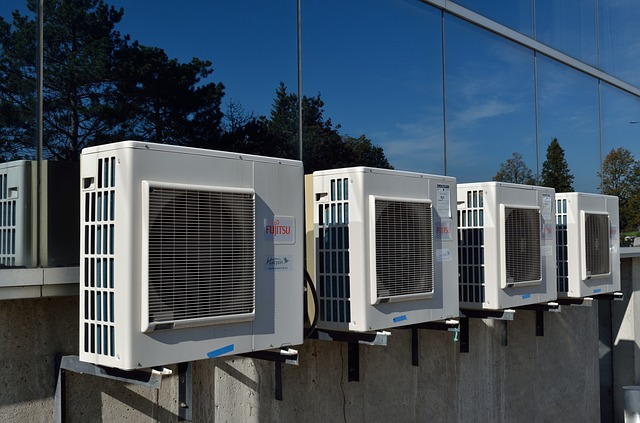
Central air conditioners and many heat pumps rely on an outdoor unit that needs adequate airflow to operate properly.
Leaves, grass clippings, weeds, shrubs, and other debris can collect around the equipment and interfere with airflow. Check the area periodically and keep vegetation trimmed according to the equipment manufacturer’s clearance requirements.
Be careful when cleaning around outdoor HVAC equipment. Aggressive pressure washing or attempting to disassemble the unit can damage sensitive components.
If the outdoor coil is heavily soiled or you are unsure how to clean the equipment safely, leave the work to an HVAC professional.
7. Keep the Condensate Drain System Working Properly
During cooling operation, your HVAC system removes moisture from indoor air. That moisture needs to drain away through the condensate drainage system.
Algae, debris, and other buildup can sometimes restrict the drain line. Depending on the HVAC system’s configuration, a clogged condensate drain can lead to water backup, equipment shutdowns, or water damage around the system.
The original version of this advice often recommends routinely pouring bleach or another chemical into the drain line. That is not a universal solution. HVAC systems and drain configurations vary, and certain cleaning methods may not be appropriate for every setup.
Instead, follow the equipment manufacturer’s maintenance instructions. A professional HVAC technician can inspect and clean the condensate drainage system when needed as part of routine service.
8. Use Curtains, Blinds, and Shades Strategically
Your windows can significantly influence how much heat enters your home during sunny weather.
Closing curtains, blinds, or shades on windows receiving strong direct sunlight can help reduce solar heat gain. With less heat entering the room, your air conditioner has less heat to remove to maintain the desired indoor temperature.
Window coverings are especially useful during the hottest and sunniest parts of the day.
The condition of your windows matters as well. Air leakage, glazing, exterior shading, and window orientation can all affect heat gain and overall home comfort.
What Else Can Improve HVAC Energy Efficiency?
Beyond these eight strategies, a few additional habits can help support HVAC performance.
Keep Supply and Return Vents Clear
Avoid placing furniture, rugs, boxes, or other objects where they unnecessarily obstruct HVAC supply or return vents. Your system relies on proper airflow to distribute conditioned air and return air to the equipment.
Closing vents in unused rooms is also not necessarily an effective energy-saving strategy. HVAC and duct systems are designed around specific airflow requirements, and significantly altering that airflow can create problems.
Use Ceiling Fans for Comfort
Ceiling fans can help people feel cooler by moving air across the skin. They do not actually lower the temperature of the room.
Using fans while a room is occupied may allow you to remain comfortable with a different thermostat setting. Turn fans off when rooms are empty to avoid using electricity without providing a comfort benefit.
How Do You Know If Your HVAC System Is Losing Efficiency?
Declining HVAC efficiency is not always obvious. Sometimes the first sign is simply that the system seems to run more than it used to.
Possible warning signs include:
- Increasing energy consumption without an obvious explanation
- Longer or more frequent heating and cooling cycles
- Difficulty reaching the thermostat setting
- Uneven temperatures between rooms
- Weak airflow from vents
- Frequent HVAC repairs
- New or unusual equipment noises
- Declining indoor comfort
These symptoms can have many causes. A dirty filter may create airflow problems, but similar symptoms can also result from duct issues, equipment malfunctions, insulation problems, or an improperly sized system.
Professional diagnosis can identify the actual cause before you invest in improvements that may not address the problem.
Does HVAC Maintenance Really Improve Efficiency?
Regular HVAC maintenance can help your heating and cooling equipment operate closer to its intended performance by addressing dirty components, airflow restrictions, worn parts, drainage issues, and other developing problems.
However, maintenance cannot make an older HVAC system more efficient than its original design allows.
If your system remains inefficient despite appropriate maintenance, the solution may involve repairs, duct improvements, air sealing, insulation, or eventually replacing aging equipment. Looking at the HVAC system and home together can provide a clearer picture of where energy is being lost.
What Is the Best Way to Improve HVAC Efficiency?
The best approach to improving HVAC efficiency is to start with the basics: maintain the equipment, keep filters clean, protect airflow, and use thermostat settings strategically. From there, evaluate the rest of the home for air leaks, insufficient insulation, duct problems, and unnecessary heat gain.
If your HVAC system is aging or no longer meeting your comfort needs, have its condition and performance evaluated before deciding whether replacement is worthwhile.
Improving HVAC efficiency is rarely about one quick fix. Combining proper equipment maintenance with a more efficient home can help reduce unnecessary system runtime while supporting consistent indoor comfort.
Improve Your HVAC System Efficiency With Infinity Texas Air
If your heating and cooling system is running constantly, producing weak airflow, struggling with uneven temperatures, or contributing to higher-than-expected energy use, it may be time to take a closer look at its performance.
Infinity Texas Air helps homeowners in Forney and surrounding Texas communities improve indoor comfort through HVAC maintenance, repair, installation, insulation, and ductwork services. Instead of assuming that every efficiency problem requires new equipment, the right evaluation can help identify where your home and HVAC system may be losing performance.
Contact Infinity Texas Air today to schedule HVAC service and find out what improvements can help your heating and cooling system operate more efficiently.