 Skip to content

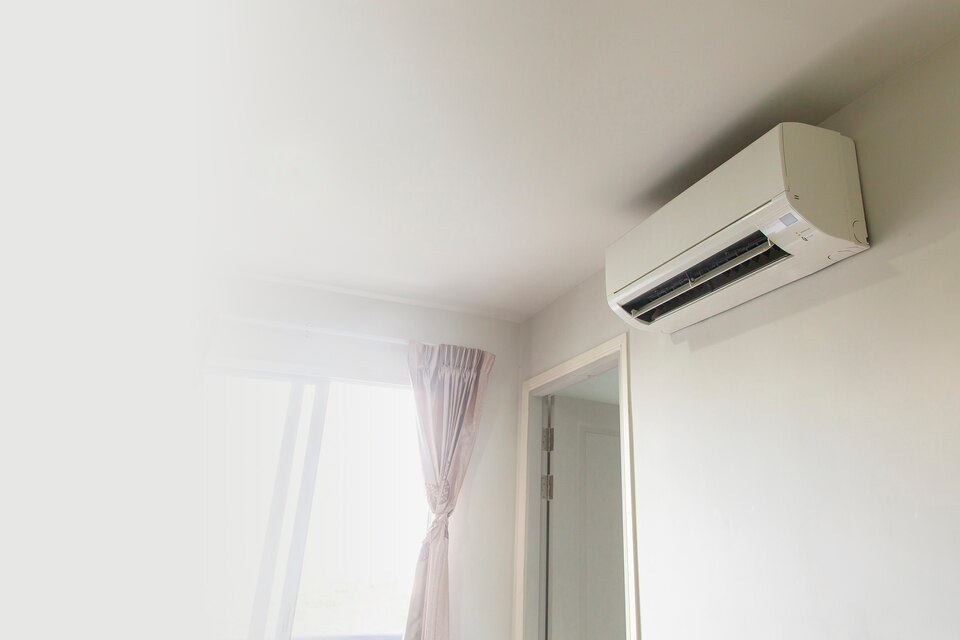
A mini-split AC, also called a ductless mini-split, is a heating and cooling system that conditions individual rooms or zones without relying on traditional ductwork. Instead of pushing air through a network of ducts, it uses a small outdoor compressor connected to one or more indoor units mounted directly in the space you want to cool.
This guide covers how mini-splits work, where they make the most sense, and how they compare to central air and window units for homes across Forney and East Dallas.
Wondering if a mini-split fits your home? Schedule a consultation with Infinity Texas Air and find out.
How Does a Mini-Split AC System Work?
A mini-split system connects an outdoor compressor unit to one or more indoor air-handling units through a small conduit, typically requiring only a three-inch hole in an exterior wall. Refrigerant flows between the outdoor and indoor units through this conduit, allowing the system to cool (or heat) the air directly in the room where the indoor unit is mounted.
Because there’s no ductwork involved, installation is far less invasive than adding central air to a home that doesn’t already have it. This makes mini-splits especially useful for additions, converted spaces, and older homes where running new ducts isn’t practical.
The Benefits of a Mini-Split Air Conditioner
Mini-split systems offer targeted zoning, strong energy efficiency, and flexible installation, making them a practical option anywhere traditional ducted HVAC isn’t a good fit. These advantages come from the system’s basic design, which skips the ductwork found in most central air conditioning.
Key benefits include:
- Targeted zoning. You can cool or heat specific rooms independently, rather than conditioning the entire house at once.
- Energy efficiency. With no ducts to leak air, mini-splits typically waste less energy than ducted systems, which can lower monthly utility bills.
- Easier installation. Setting up a mini-split doesn’t require tearing into walls or ceilings to add new vents, which shortens both the project timeline and the mess involved.
- Improved air quality. Many units include multi-stage filtration that reduces dust and allergens, unlike ductwork that can accumulate debris over time.
- Quiet operation. Modern mini-split units run noticeably quieter than window units or older central air compressors.
Where Are Mini-Splits Commonly Used?
Mini-splits are commonly used in spaces that lack existing ductwork or need independent temperature control, such as converted garages, sunrooms, home additions, and older homes with outdated duct systems. They’re a natural fit anywhere a traditional central air installation would be too invasive or expensive.
Common applications include:
- Garage conversions, where turning a garage into livable space rarely comes with existing ductwork
- Sunrooms and additions, which often sit outside the reach of a home’s existing central air system
- Historic homes, where preserving original walls and structure matters and adding ducts isn’t practical
- Workshops and detached spaces, which need standalone climate control separate from the main house
- Multi-family units, where independent zoning helps manage energy costs room by room
The Difference Between a Mini-Split and Central Air
The biggest difference between a mini-split and central air is that central air conditions your entire home through a single ducted system, while a mini-split conditions individual rooms or zones independently through separate indoor units. This distinction affects everything from installation to how you control comfort day to day.
| Mini-Split AC | Central Air | |
|---|---|---|
| Installation | Minimal, no ductwork needed | More invasive, requires ductwork |
| Zoning | Room-by-room control | Whole-home, single thermostat (typically) |
| Energy loss | Low, no duct leakage | Can lose energy through leaky ducts |
| Best for | Additions, older homes, specific rooms | Whole-home cooling with existing ductwork |
| Upfront cost | Lower per zone, scales with units | Higher for whole-home coverage |
Neither option is universally “better.” Central air often makes more sense for whole-home cooling in a house already equipped with ductwork, while a mini-split is a solid option where ductwork isn’t practical or where you want more precise control over individual rooms.
Mini-Split vs. Window Unit: What’s the Difference?
Compared to a window unit, a mini-split is significantly more efficient, quieter, and better suited as a permanent cooling solution, rather than a temporary or seasonal fix. Window units are easier to install initially, but they come with real trade-offs that a mini-split avoids.
Where mini-splits pull ahead:
- Efficiency. Mini-splits use less energy to cool the same space compared to most window units.
- Noise level. Indoor mini-split units run much more quietly than the compressor noise of a window unit.
- Security and aesthetics. A mini-split doesn’t require an open window, which improves both home security and curb appeal.
- Longevity. Mini-splits are built as a permanent installation, while window units are more prone to wear from seasonal removal and reinstallation.
Can a Mini-Split Heat My Home Too?
Yes, most mini-split systems function as heat pumps, which means they provide efficient heating as well as cooling, making them a year-round comfort solution rather than a summer-only fix. This dual functionality is one of the more underappreciated advantages of a mini-split system.
For homes in the Forney and East Dallas area, this matters during North Texas’s occasional cold snaps, when a mini-split can provide efficient supplemental or standalone heating without needing a separate furnace or heating system for that specific space.
How Much Does a Mini-Split AC Cost to Install?
A single-zone mini-split system typically costs between $3,000 and $6,000 installed, while multi-zone systems connecting several indoor units to one outdoor compressor generally run higher (around $15,000+), depending on the number of zones and the square footage covered. Pricing depends on the unit’s capacity, brand, and the complexity of the specific installation.
Because mini-splits are often installed room by room rather than as a single whole-home project, many homeowners start with one or two zones and expand later as budget allows, rather than committing to a full multi-zone system all at once. Financing options can also make it easier to install a complete multi-zone system upfront if that better fits your home’s needs.
How Long Does Installation Take?
Most mini-split installations are completed within a single day, since the process doesn’t require major ductwork or extensive wall modifications. A technician typically mounts the indoor unit, installs the outdoor compressor, runs the conduit between them, and tests the system before finishing the job.
Multi-zone installations with several indoor units naturally take longer than a single-zone setup, but even larger projects rarely stretch beyond a day or two.
Why Locals Choose Infinity Texas Air for Mini-Split Installation
Infinity Texas Air specializes in mini-split AC installation for homeowners across Forney and East Dallas, handling everything from BTU sizing to final calibration so your system performs exactly as it should. We work with leading brands to make sure your new equipment holds up against North Texas heat and humidity.
What sets us apart:
- Local specialization in ductless mini-split installation for Kaufman and Dallas County homes
- 24/7 emergency support, so you’re never left without help when you need it
- Transparent pricing and a commitment to doing the job right the first time
- Flexible financing options to help manage the cost of a new installation
- Ongoing maintenance plans through Duke’s Legacy Club, including filter cleaning and refrigerant checks
Ready to add flexible, efficient cooling to your home? Contact Infinity Texas Air or call 972-465-9788 to schedule your mini-split installation.
Frequently Asked Questions
Can one outdoor unit power multiple indoor units?
Yes. Multi-zone systems allow several indoor units to connect to a single outdoor compressor, giving you independent temperature control across different rooms.
Do mini-splits require a lot of maintenance?
Maintenance is fairly simple. Homeowners should clean the indoor filters every few weeks, and a professional should inspect the full system annually to keep everything running properly.
Are mini splits noisy?
No, modern mini-split units are designed to run quietly, both indoors and outdoors, making them noticeably quieter than most window units or older central air compressors.
Can I install a mini split myself?
It’s not recommended. Mini-splits involve refrigerant handling and precise electrical connections, both of which require licensed HVAC training to install safely and keep the manufacturer’s warranty valid.
How long do mini-split systems typically last?
With regular maintenance, most mini-split systems last between 15 and 20 years, which is on par with or slightly longer than many traditional central air systems.