 Skip to content

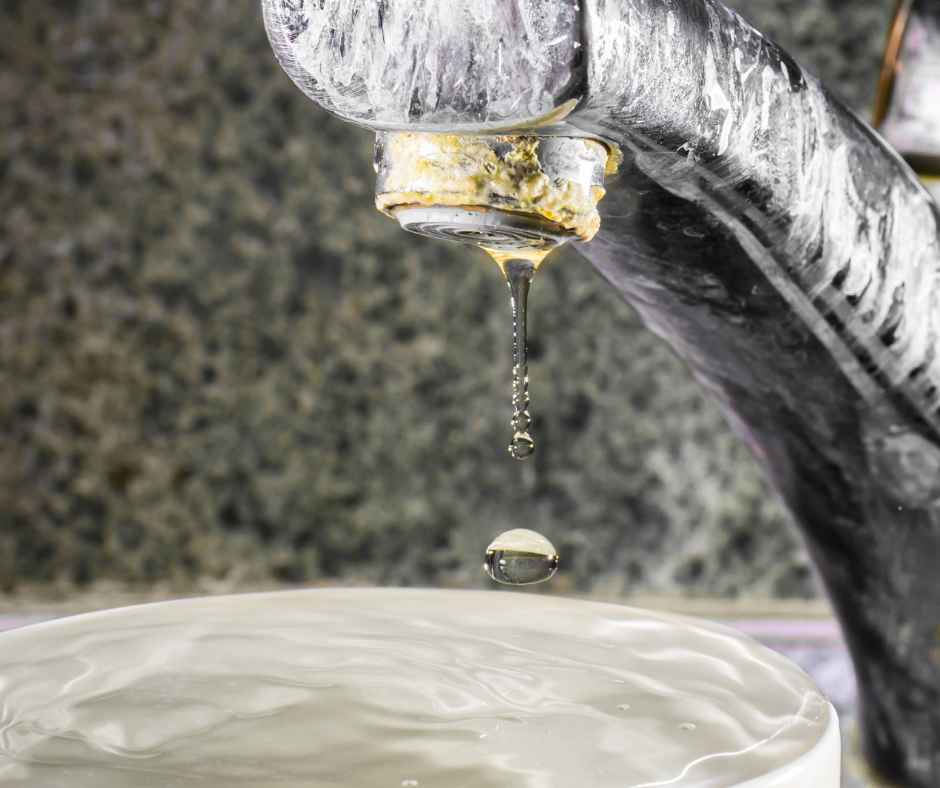
Rockwall’s very hard water can shorten the life of new appliances by leaving calcium and magnesium scale inside water heaters, dishwashers, washing machines, ice makers, valves, and plumbing fixtures. Homeowners can protect new appliances with water testing, regular maintenance, water heater flushing, descaling, and whole-home water treatment when mineral buildup becomes a recurring problem.
New appliances should make home life easier, not create repair calls a few years after installation. But in Rockwall, hard water can quietly work against even brand-new equipment. Your dishwasher may leave spots, your washing machine may struggle with residue, your water heater may build sediment, and your ice maker may clog faster than expected.
In this guide, we will explain how Rockwall’s very hard water affects new appliances, which warning signs homeowners should watch for, and when to call Infinity Texas Air for help protecting your plumbing, water heater, and home comfort systems.
Why Rockwall Water Hardness Matters
Hard water contains dissolved minerals, mainly calcium and magnesium. These minerals are not always visible when water comes out of the tap, but they can leave scale behind as water heats, evaporates, or moves through small appliance parts.
In a home with very hard water, mineral buildup can occur more quickly. That buildup can collect inside:
- Water heaters
- Tankless water heaters
- Dishwashers
- Washing machines
- Refrigerators with water dispensers
- Ice makers
- Coffee makers
- Humidifiers
- Showerheads
- Faucets
- Supply valves
- Plumbing lines
Hard water usually does not ruin an appliance overnight. The damage builds slowly. That is why many homeowners do not connect early appliance problems to water quality until the same issues keep appearing in multiple places.
How Hard Water Damages New Appliances
New appliances are designed for reliable performance, but they still depend on clean water flow. When mineral scale forms inside small openings, heating surfaces, sensors, valves, and hoses, the appliance has to work harder to do the same job.
Hard water can cause:
- Restricted water flow
- Longer heating times
- Poor cleaning performance
- Clogged spray arms
- Scale on heating elements
- Valve failure
- Sensor problems
- More frequent error codes
- Shorter appliance lifespan
- Higher energy use
- More repair calls
The frustrating part is that the appliance may still be technically “new.” A homeowner may assume the brand is defective when the real issue is mineral-heavy water entering the appliance every day.
Why Water Heaters Suffer First
Your water heater is one of the most important appliances affected by hard water. When hard water is heated, minerals separate more easily and settle inside the tank. Over time, that sediment creates a layer at the bottom of the unit.
In a tank water heater, hard water can lead to:
- Popping or rumbling sounds
- Less available hot water
- Longer recovery time
- Higher energy bills
- Extra strain on the tank
- Corrosion concerns
- Reduced efficiency
- Premature failure
The sediment layer acts like insulation between the heating source and the water. That means the system must work harder to heat through the buildup.
Tankless water heaters are also vulnerable. Instead of sediment settling in a tank, scale can form inside narrow waterways and the heat exchanger. This can reduce flow, trigger error codes, and lead to expensive repairs if descaling is skipped.
Watch for water heater warning signs such as:
- Hot water runs out faster than expected
- The unit makes popping or cracking noises
- Water temperature fluctuates
- Hot water pressure is weaker than cold water pressure
- Utility bills rise without another clear reason
- Tankless units need repeated service
- The water heater has never been flushed or descaled
Why Dishwashers Leave Spots and Film
Dishwashers are especially sensitive to hard water because they rely on spray pressure, heat, detergent, and clean rinsing. Mineral-heavy water can interfere with every part of that process.
Hard water can cause dishwasher problems like:
- White film on glasses
- Cloudy dishes
- Spots on silverware
- Poor detergent performance
- Clogged spray arm openings
- Residue inside the dishwasher
- Longer wash cycles
- Dishes that still feel gritty
- Heating element scale
- Shortened appliance life
Using more detergent may seem like a solution, but it can worsen the residue. The better approach is to address the water quality and keep the appliance maintained.
How Hard Water Affects Washing Machines
A washing machine needs water to mix with detergent, move through fabrics, and rinse cleanly. Hard water makes detergent less effective. That can leave mineral and soap residue on clothing and inside the machine.
Signs hard water is affecting your washer include:
- Clothes feel stiff or scratchy
- Dark clothing has white streaks
- Towels lose softness
- Laundry looks dull
- Detergent does not dissolve well
- Washer smells musty
- Residue builds up inside the drum
- Water inlet valves clog
- Hoses and screens collect sediment
- Cycles become less effective
When homeowners respond by adding more detergent, the washer may develop even more buildup. That can lead to odors, poor rinsing, and extra wear on the appliance.
Ice Makers, Refrigerators, and Small Water Lines
Refrigerators with water dispensers and ice makers use small lines, filters, and valves. These narrow parts can clog more quickly when the water contains high levels of dissolved minerals.
Hard water can cause:
- Cloudy ice
- Bad-tasting ice or water
- Slow water dispenser flow
- Small or misshapen ice cubes
- Ice maker clogs
- Filter replacement more often
- Valve issues
- Scale around dispenser areas
Because refrigerator water systems have small components, even minor buildup can reduce performance. If your new refrigerator already has low water flow or cloudy ice, hard water may be the cause.
Faucets and Fixtures Give You Visible Clues
Hard water damage is often hidden inside appliances, but fixtures give visible warning signs. If scale is building up on faucets and showerheads, it is likely building up elsewhere, too.
Look for:
- White crust around faucet bases
- Chalky buildup on showerheads
- Reduced spray pressure
- Spots on glass shower doors
- Scale around sink drains
- Mineral rings around fixtures
- Sticking valves
- Aerators that clog often
These visible signs are important because they show what your appliances are dealing with internally.
Why “New” Does Not Mean Protected
Many homeowners assume new appliances can handle hard water without issue. They can handle normal use, but very hard water adds extra stress from day one.
A new appliance may fail faster if:
- Water hardness is high
- Maintenance is skipped
- Filters are not replaced
- The water heater is not flushed
- Tankless units are not descaled
- Valves and hoses are exposed to constant scale
- The home has no water softening or treatment
- The appliance is used heavily
Manufacturer warranties may not cover damage related to water conditions, neglect, or scale buildup. Protecting appliances starts with understanding what is entering them.
Should Rockwall Homeowners Consider Water Treatment?
If hard water is affecting multiple appliances or fixtures, a whole-home water treatment solution may be worth considering. A water softener can reduce the minerals that cause scale. Other filtration options may help with taste, odor, sediment, or specific water quality concerns.
Water treatment may be helpful if you notice:
- Scale returns quickly after cleaning
- New appliances are already underperforming
- Dishes come out spotted
- Laundry feels rough
- Water heater sediment problems appear early
- Fixtures clog often
- Ice maker or refrigerator water flow slows
- Soap does not lather well
- Skin or hair feels dry after showers
- Appliance repairs are becoming frequent
The right solution depends on your home’s water quality, plumbing setup, appliance needs, and maintenance goals.
Maintenance Tips to Protect New Appliances
Even with water treatment, appliances still need regular care. In areas with very hard water, maintenance becomes even more important.
Helpful steps include:
- Test your home’s water hardness
- Flush tank water heaters regularly
- Descale tankless water heaters as recommended
- Clean faucet aerators and showerheads
- Replace refrigerator filters on schedule
- Use dishwasher rinse aid when appropriate
- Clean dishwasher filters and spray arms
- Avoid using too much laundry detergent
- Check washing machine inlet screens
- Repair dripping faucets quickly
- Watch for changes in water pressure
- Schedule plumbing maintenance when symptoms repeat
A little preventive care can help new appliances last longer and perform better.
When Appliance Problems Point to Plumbing Issues
Sometimes the appliance is not the main problem. Water pressure, supply valves, sediment, old plumbing, or mineral buildup in the home’s water lines can affect appliance performance.
You may need a plumbing evaluation if:
- Several appliances have water-related problems
- Hot water pressure is weaker than cold water pressure
- Fixtures clog repeatedly
- Water flow changes suddenly
- A water heater is noisy or inefficient
- Supply valves are corroded or stuck
- You see leaks near appliance connections
- New appliances are performing poorly from installation
A whole-home look can help identify whether the issue is appliance-specific or tied to the plumbing system.
How Infinity Texas Air Can Help
Infinity Texas Air can help Rockwall homeowners understand how water quality affects plumbing, water heaters, and home comfort systems. If your appliances are wearing out faster than expected, we can inspect the equipment connected to your water system and recommend practical next steps.
We can help with:
- Water heater service
- Tankless water heater maintenance
- Plumbing inspections
- Fixture and valve concerns
- Water pressure issues
- Leak checks
- Appliance connection problems
- Water quality conversations
- Maintenance recommendations
- Whole-home comfort support
Our team can help you determine whether the issue is mineral buildup, plumbing performance, maintenance needs, or aging equipment.
Call Infinity Texas Air About Hard Water Problems
Call Infinity Texas Air if your Rockwall home has white scale buildup, cloudy dishes, stiff laundry, weak hot water pressure, noisy water heaters, clogged fixtures, ice maker issues, or appliance repairs happening sooner than expected. These signs may mean very hard water is affecting your appliances from the inside.
Rockwall’s hard water can shorten appliance life by creating mineral scale inside water heaters, dishwashers, washing machines, ice makers, valves, and plumbing fixtures. The sooner you address buildup, the easier it is to protect your investment. Contact Infinity Texas Air today to schedule service and learn how our team can help protect your home’s plumbing and appliances.