 Skip to content

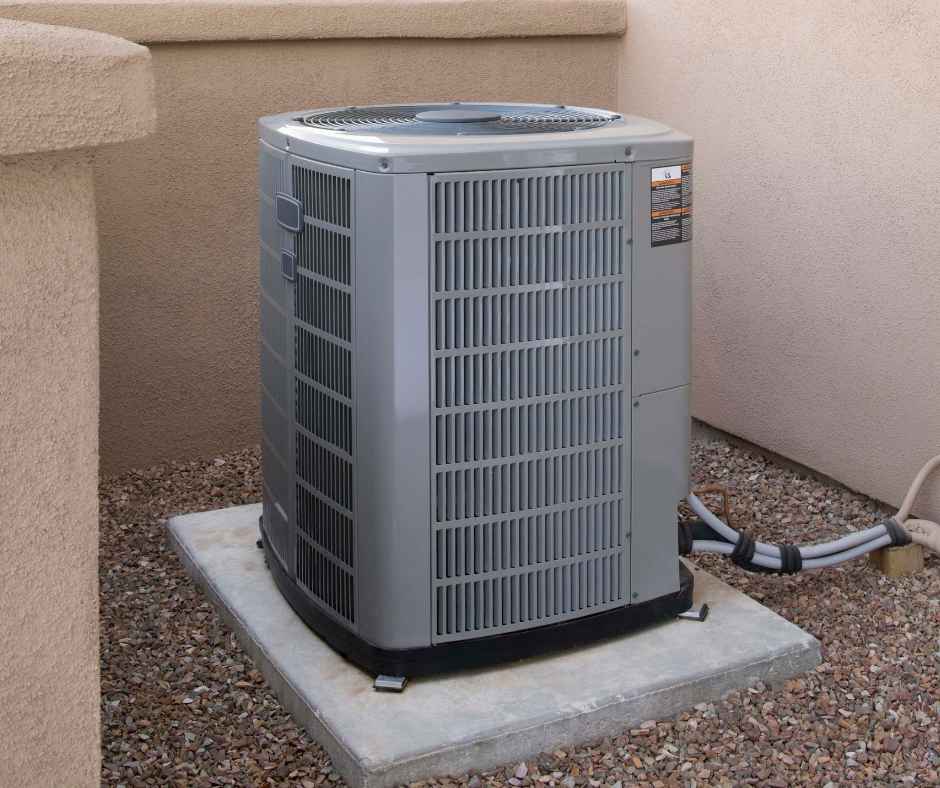
Some AC issues can actually start with plumbing problems. Clogged condensate drains, water leaks, high indoor humidity, slab leaks, sewer odors, and poor drainage can all affect cooling performance, indoor comfort, air quality, and moisture levels inside a Texas home.
When your home feels humid, your AC shuts off unexpectedly, or you notice water around the indoor unit, it is easy to assume the air conditioner is the only problem. But in many homes, cooling issues and plumbing problems are more connected than homeowners realize.
Your AC system removes heat and moisture from the air. That moisture has to drain somewhere. If the condensate drain clogs, a nearby leak develops, or excess moisture enters the home due to a plumbing issue, your AC may struggle to keep the house comfortable.
In this guide, we’ll explain why some AC problems are actually plumbing-related, which warning signs to watch for, and when Infinity Texas Air can help identify the real source of the issue.
How Are AC Systems and Plumbing Connected?
Your AC and plumbing systems may seem separate, but they often overlap through water, drainage, humidity, and indoor air quality. During cooling, your AC pulls moisture from the air. That moisture collects as condensation and drains away through a condensate line.
If that water cannot drain properly, it can create problems around the HVAC system.
AC and plumbing systems can connect through:
- Condensate drain lines
- Drain pans
- Water leaks near HVAC equipment
- Indoor humidity
- Sewer or drain odors
- Slab leaks
- Crawl space or attic moisture
- Water heater leaks
- Drainage problems around the home
- Mold or mildew concerns
Because these systems can affect each other, the symptom you notice may not always reveal the true cause.
Why Is Water Leaking Around My AC Unit?
Water around the indoor AC unit is one of the clearest signs of a drainage issue. In many cases, the AC is producing condensation as it should, but the water is not draining properly.
Common causes include:
- Clogged condensate drain line
- Cracked drain pan
- Rusted drain pan
- Disconnected drain line
- Blocked secondary drain
- Frozen evaporator coil melting
- Poorly sloped drain line
- Algae or sludge buildup
- Water leak near the HVAC system
A clogged condensate line is especially common in warm climates where AC systems run often. Over time, algae, dirt, dust, and debris can build up inside the line. When the line clogs, water can back up and overflow.
If you see water near your AC, do not ignore it. Even a small leak can damage flooring, ceilings, insulation, drywall, and nearby electrical components.
Can a Clogged Condensate Drain Shut Off the AC?
Yes. Many modern AC systems have a safety switch that shuts the system off when water backs up in the drain pan. This helps prevent water damage, but it can make the problem feel like an AC failure.
A clogged condensate drain may cause:
- AC shutting off suddenly
- Thermostat working but no cooling
- Water in the drain pan
- Musty odors near vents
- Ceiling stains near attic systems
- Dripping from a secondary drain line
- Humidity rising indoors
- AC turning on and off repeatedly
If your AC stops working and there is water near the unit, the issue may not be the compressor or thermostat. It may be a clogged drain line protecting your home from overflow.
Why Does My House Feel Humid Even When the AC Is Running?
High indoor humidity can make your home feel warm, sticky, and uncomfortable even when the AC is cooling. Sometimes the issue is HVAC-related. Other times, excess moisture is coming from a plumbing problem.
Plumbing-related humidity sources include:
- Hidden pipe leaks
- Slab leaks
- Leaking water heater
- Drain leaks
- Sewer line moisture
- Poor bathroom ventilation
- Damp cabinets under sinks
- Laundry room leaks
- Standing water near the home
- Moisture entering through crawl spaces
Your AC removes moisture from the air, but it cannot overcome an active water source forever. If a hidden leak keeps adding moisture to the home, the AC may run longer while comfort continues to suffer.
Signs that humidity may be tied to a leak include:
- Musty odors
- Damp flooring
- Warped baseboards
- Peeling paint
- Condensation on windows
- Soft drywall
- Unexplained water stains
- Higher water bills
- AC running more than usual
Can a Plumbing Leak Make the AC Work Harder?
Yes. A plumbing leak can increase indoor humidity, which makes the AC work harder. When moisture levels rise, the system must remove extra humidity before the home feels comfortable.
A leak may cause the AC to:
- Run longer cycles
- Struggle to keep up
- Cool unevenly
- Leave rooms feeling sticky
- Use more energy
- Short cycle in some cases
- Contribute to musty odors
- Create moisture near ducts or vents
The AC may not be broken at all. It may be fighting moisture from a plumbing issue that needs to be repaired first.
Can a Slab Leak Affect Cooling Comfort?
A slab leak can affect comfort by adding hidden moisture under the flooring or inside the home. In Texas homes with slab foundations, a leaking water line beneath the slab can create humidity, warm spots, flooring damage, and musty odors.
A slab leak may cause:
- Unexplained high water bills
- Warm spots on floors
- Damp carpet or flooring
- Sound of running water
- Mildew smells
- Cracks in the flooring or walls
- Low water pressure
- AC running longer because of the humidity
- Rooms that feel damp or uncomfortable
If your AC seems to be working but the home feels humid and you notice plumbing warning signs, a slab leak should be considered. Cooling problems may be a symptom of a hidden moisture issue.
Why Do My Vents Smell Musty or Like Sewer Gas?
Bad smells from vents may seem like an HVAC problem, but plumbing can sometimes be the source. Odors can enter the air through drain issues, sewer gas leaks, dry traps, or moisture around ductwork.
Musty vent odors may come from:
- Clogged condensate drain
- Standing water in the drain pan
- Dirty evaporator coil
- Moisture near ducts
- Plumbing leaks near HVAC equipment
- Damp insulation
- Mold or mildew caused by excess moisture
Sewer-like odors may come from:
- Dry drain traps
- Cracked drain lines
- Loose plumbing connections
- Sewer gas entering near returns
- Floor drain issues
- Venting problems
- Sewer line problems
If the odor gets stronger when the HVAC fan runs, the system may be spreading a smell that started elsewhere. The source should be found rather than covered with air fresheners.
Can Bathroom or Kitchen Moisture Affect AC Performance?
Yes. Bathrooms, kitchens, and laundry rooms create a lot of moisture. If ventilation is poor or plumbing leaks are present, that moisture can spread into the rest of the home and make the AC work harder.
Common moisture sources include:
- Long hot showers
- Poor bathroom exhaust
- Leaking toilet seals
- Sink cabinet leaks
- Dishwasher leaks
- Washing machine hose leaks
- Dryer vent problems
- Kitchen drain leaks
- Garbage disposal leaks
If these areas stay damp, indoor humidity can rise. Your AC may cool the air but still leave the home feeling uncomfortable.
Homeowners can reduce moisture by:
- Running bathroom fans during showers
- Using kitchen ventilation
- Repairing leaks quickly
- Checking under sinks regularly
- Inspecting washing machine hoses
- Keeping drains flowing properly
- Scheduling service for recurring odors or moisture
How Can a Water Heater Problem Look Like an AC Problem?
A leaking water heater can add moisture to nearby areas, especially if it is located in a garage, utility closet, attic, or interior mechanical room. That added humidity may affect comfort and air quality.
A water heater issue may contribute to:
- Damp indoor air
- Musty smells
- Water near HVAC equipment
- Ceiling stains if installed overhead
- Mold or mildew concerns
- Higher energy use from added humidity
- Moisture damage near ducts or walls
If your AC problems began around the same time you noticed water near the water heater, the cooling issue may be connected to plumbing.
What AC Symptoms Could Point to a Plumbing Problem?
Not every cooling issue is caused by plumbing, but some symptoms should raise suspicion.
Possible plumbing-related AC warning signs include:
- Water around the indoor AC unit
- AC shuts off but the thermostat still works
- Musty odors from vents
- Sewer-like smells when the fan runs
- Indoor humidity stays high
- AC runs constantly but the home feels sticky
- Water stains near ceilings or walls
- Dripping from a secondary drain line
- Damp flooring near mechanical areas
- Unexplained rise in water bills
- Mold or mildew near vents
- Recurring drain line clogs
- Soft drywall or warped baseboards
- Warm spots on floors
If you see both HVAC symptoms and moisture symptoms, the problem may involve more than the cooling equipment.
How Can Homeowners Prevent Plumbing-Related AC Problems?
Preventive maintenance is the best way to reduce the chance of water, drainage, and humidity issues affecting your AC.
Homeowners can help by:
- Scheduling seasonal AC maintenance
- Keeping condensate drains clear
- Replacing HVAC filters regularly
- Watching for water near the indoor unit
- Checking under sinks for leaks
- Inspecting the water heater area
- Running bathroom exhaust fans
- Fixing slow drains before they back up
- Monitoring indoor humidity
- Looking for ceiling stains
- Paying attention to musty odors
- Calling early when AC and moisture problems appear together
Small issues are easier to fix before they damage drywall, insulation, flooring, ductwork, or electrical components.
When Should You Call for Professional Help?
You should schedule service when AC symptoms and water symptoms happen at the same time. A professional can determine whether the issue is the HVAC system, a plumbing problem, or both.
Call Infinity Texas Air if you notice:
- AC leaking water
- Drain pan overflow
- Repeated condensate drain clogs
- AC shutting off unexpectedly
- Musty air from vents
- High indoor humidity
- Water stains near HVAC equipment
- Damp rooms or flooring
- Sewer odors when the system runs
- Cooling problems after a plumbing leak
- AC running constantly without comfort improving
Finding the real cause matters. Replacing AC parts will not solve the problem if a clogged drain line, slab leak, or hidden plumbing issue is the source.
Look Beyond the AC When Cooling Problems Involve Moisture
Some AC problems are not only AC problems. Water leaks, clogged condensate drains, slab leaks, sewer odors, and humidity issues can all make your cooling system seem like it is failing, but the real issue often starts with plumbing.
If your home feels humid, smells musty, has water near the AC, or your system keeps shutting off, Infinity Texas Air can help find the source. Schedule service today to get clear answers, protect your home from moisture damage, and restore reliable comfort.