 Skip to content

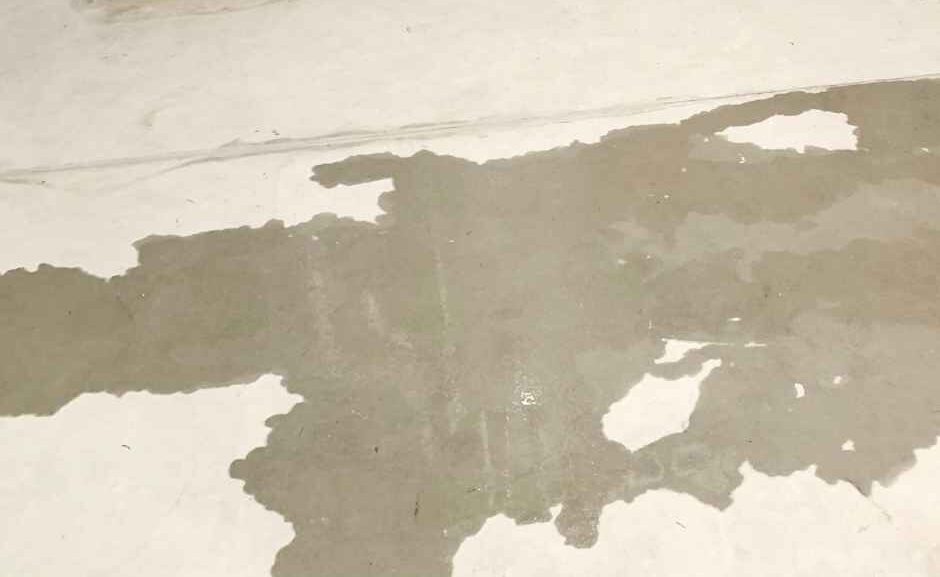
In Kaufman County, spring rain can do more than soak the yard. It can change the moisture content of the clay soil beneath and around the slab, which adds stress to buried plumbing lines. When pipes are already aging, corroded, or under pressure, that seasonal soil movement can turn a hidden weakness into a slab leak.
A slab leak usually does not start with one dramatic event. In many North Texas homes, it starts with gradual stress underground. Then spring arrives, the soil takes on moisture, and the movement beneath the foundation becomes much more noticeable.
That is why homeowners in Forney and across Kaufman County often see slab leak issues show up or worsen in wetter periods. The clay-heavy soils common in this part of Texas shrink when they dry and swell when moisture returns, and that repeated shift can place real stress on plumbing lines under the slab.
In this guide, you will learn why spring rains increase slab leak risk in Kaufman County, how shifting clay soil affects under-slab plumbing, and which warning signs should never be ignored.
Why Do Spring Rains Matter So Much for Slab Leaks?
Spring changes the moisture balance around the home. After drier stretches, heavier rain can quickly rehydrate the soil under and beside the slab. In expansive clay, that matters because the ground does not remain the same size as moisture levels change. It expands when wet and contracts when dry.
That movement does not just affect the foundation. It also affects the plumbing lines buried beneath it.
What Makes Kaufman County Soil So Hard on Plumbing?
Much of North Texas is known for highly expansive clay soils. Houston Black soils, which occur in the Blackland Prairie, are recognized for their marked shrinking and swelling with changes in moisture content. They also take in water rapidly when dry and much more slowly when already moist.
That combination is tough on slab foundations and buried pipes. As the soil shifts, plumbing lines can lose even support, bend slightly, or experience repeated stress at weak points.
Does the Rain Cause the Leak or Just Expose It?
Usually, it exposes a problem that was already developing.
A slab leak often starts because of one or more underlying issues, such as:
- pipe corrosion
- aging plumbing materials
- high water pressure
- weak joints or fittings
- long-term soil movement
- abrasion where the pipe contacts rough material
Spring rain can become the tipping point because the added soil movement puts new pressure on a line that was already vulnerable.
How Does Expansive Clay Create Pipe Stress?
Expansive clay does not move gently. It can change volume enough to affect lightly loaded structures and buried service piping when moisture conditions shift. In practical terms, that means plumbing lines under a slab may be pushed, pulled, or left unevenly supported as the soil cycles between dry and wet conditions.
Over time, that repeated stress can lead to:
- pinhole leaks
- cracked pipe sections
- joint separation
- weakened fittings
- slow under-slab water loss that becomes more obvious after wet weather
Why Are Spring Moisture Swings So Risky?
The danger is not just that the soil gets wet. It is that the soil moisture changes quickly.
When a home goes from a dry period to a wet one, the slab and the plumbing below it may have to adjust to changing support conditions within a short window. That can make an already stressed pipe fail faster than it would under more stable conditions. North Texas spring weather patterns make those moisture swings a recurring issue for homes built on expansive clay.
Are Older Homes More Likely to Develop Slab Leaks?
In many cases, yes.
Older homes usually have more years of soil movement, pipe wear, and pressure changes behind them. If the plumbing material is already thinning or corroded, it may have much less tolerance left when the ground shifts again.
That does not mean newer homes are immune. It means older plumbing systems often have fewer margins left when spring rain changes the ground beneath the slab.
Can a Small Leak Make the Foundation Problem Worse?
Yes, and this is one reason slab leaks become expensive so quickly.
Once water starts to escape below the slab, it can further change the soil moisture. In expansive clay, the added moisture can lead to additional swelling and localized movement. That means the leak can start affecting the same soil conditions that helped create it in the first place.
That cycle can lead to both plumbing damage and foundation-related symptoms getting worse together.
What Are the Warning Signs of a Slab Leak?
Because the pipe is hidden, the first clues are often indirect.
Common slab leak signs include:
- unexplained increases in the water bill
- warm or damp spots on the floor
- the sound of running water when fixtures are off
- reduced water pressure
- cracks in flooring or nearby walls
- mildew or musty smells
- wet flooring with no obvious source
- signs of foundation movement that seem to worsen after wet weather
The sooner these signs are checked, the better the chance of limiting water damage and larger repair costs.
Why Do Some Leaks Show Up After a Storm?
A storm can change enough underground that a weak pipe finally starts showing symptoms. The leak may have been developing slowly, but the added soil expansion and stress can make the problem noticeable all at once.
That is why many homeowners feel like the slab leak came out of nowhere after a rainy stretch. In reality, the rain often reveals a hidden plumbing problem that had already been building.
What Can Homeowners Do Before the Damage Spreads?
You cannot stop spring rain, but you can respond more quickly when warning signs appear.
The smartest steps are usually:
- Pay attention to sudden water bill changes
- Take warm or damp floor spots seriously
- Investigate the low water pressure that appears without another explanation
- Watch for new cracks or shifting around the home after wet weather
- Have suspected slab leak symptoms checked early instead of waiting
Early action matters because a small under-slab leak can become a much larger plumbing and structural issue if it continues to feed moisture into expansive soil.
What This Means for Forney Homeowners
For homes in Forney and across Kaufman County, spring rain is not just a weather issue. It is a soil-movement issue, and that movement can put real stress on buried plumbing.
The biggest factors are usually:
- expansive clay that shrinks and swells with moisture changes
- spring rain that quickly changes soil moisture levels
- older or weakened under-slab plumbing
- hidden leaks that become more obvious when the soil shifts
- a cycle where leaking water adds even more instability below the slab
Don’t Let Spring Rain Turn a Hidden Leak Into a Bigger Foundation Problem
A slab leak after spring rain is rarely just bad luck. In many Kaufman County homes, it is the result of shifting clay, aging pipes, and underground stress finally reaching the point where the problem can no longer stay hidden.
Infinity Texas Air can help identify the source of a suspected slab leak and recommend the right next step before water damage and soil movement lead to a larger repair. If you have noticed damp floors, rising water bills, or other slab leak warning signs this spring, contact us to schedule an inspection.