 Skip to content

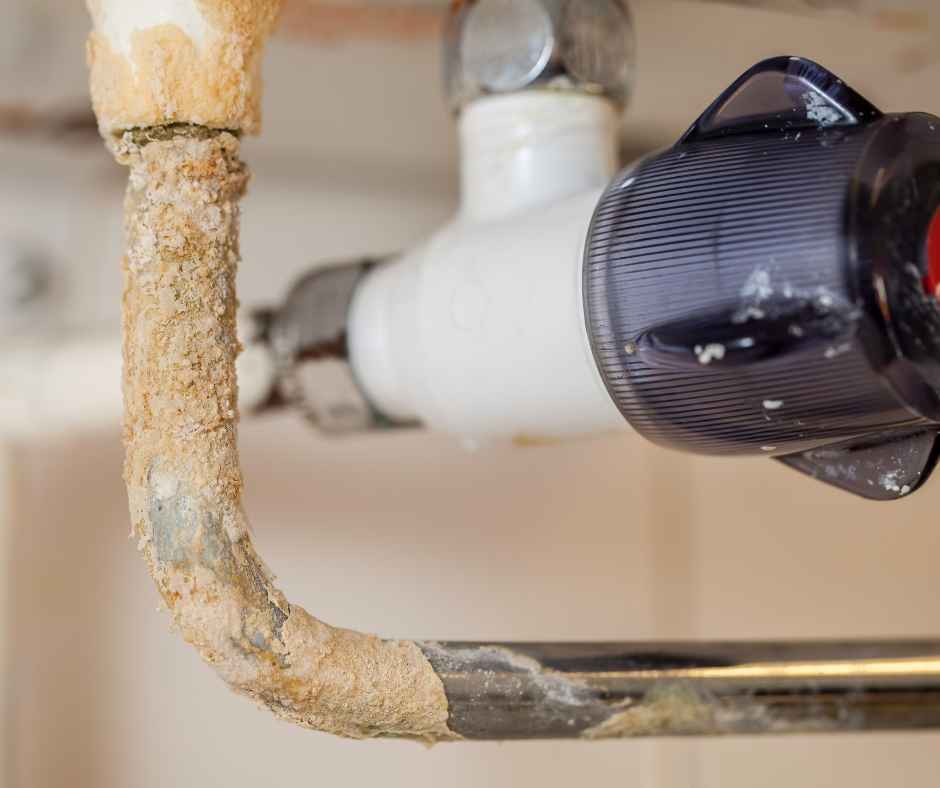
Forney is a community built on steady growth and family life, but underneath the surface of our daily routines, a hidden issue is quietly affecting our homes. If you have lived in North Texas for any length of time, you are likely familiar with the white, chalky residue that appears on your faucets and showerheads. This is the first sign of hard water, a common characteristic of our local supply. While these spots might seem like a minor cleaning nuisance, they indicate a much larger problem occurring inside your walls.
At Infinity Texas Air, we see the long-term effects of Forney’s mineral-rich water every day. It is not just about the spots on your glasses; it is about the physical health of your home’s plumbing system. In this article, we will dive into why our local water is so mineral-heavy and how that content is actively damaging your pipes and appliances. Understanding these risks is the first step toward protecting your home from the “hard water woes” that many North Texas homeowners face.
What Makes Forney’s Water “Hard”?
Forney is located in an area rich in limestone and calcium deposits. As rainwater filters through these rocky layers to reach our local aquifers and reservoirs, it dissolves small amounts of these minerals along the way. By the time the water reaches your home, it is saturated with calcium and magnesium. While these minerals are generally safe to drink, they are extremely “sticky” on surfaces.
The geology of North Texas makes our water particularly stubborn:
- High Mineral Concentration: Our local water is often in the “very hard” category. This means it contains a high concentration of dissolved solids per gallon.
- The Limestone Connection: The abundance of limestone in our region is the primary source of the white, chalky calcium carbonate that builds up on your fixtures.
- Temperature Sensitivity: Heat speeds up the solidification of these dissolved minerals. This is why you often see the most damage in your water heater and hot water lines.
- Persistent Supply Issues: Because our water comes from sources that interact with deep rock layers, hardness levels remain consistently high year-round.
The Hidden Impact on Your Plumbing System
The real danger of hard water lies in what you cannot see. While a crusty faucet is annoying, the same buildup is happening inside your copper or PEX pipes. Over time, these minerals bond to the interior walls of your plumbing. This creates a rock-hard layer of scale. This process is slow but relentless, and it fundamentally changes how water flows through your home.
This internal scaling leads to several significant issues for your plumbing:
- Reduced Water Pressure: As the mineral layer thickens, the internal diameter of your pipes shrinks. This restricts the volume of water that can pass through. You will eventually notice frustratingly low pressure in your showers and sinks.
- Increased Pipe Friction: Scale creates a very rough surface inside the pipe. This causes more turbulence as water flows. This extra stress can actually lead to pinhole leaks as the pipe walls are slowly worn down.
- Joint and Valve Failure: Minerals often accumulate around the moving parts of your plumbing system. This can cause shut-off valves to seize or prevent toilet flappers from sealing properly. These failures lead to constant leaks and higher water bills.
- Compromised Pipe Integrity: In older homes, the combination of minerals and oxidation creates large mounds of buildup. These can eventually break off and clog your fixtures or aerators entirely.
Why Your Water Heater is the Biggest Victim
Your water heater is the primary target for mineral buildup because heat acts as a catalyst for scale formation. When hard water is heated, the calcium and magnesium solids separate from the liquid and sink to the bottom of the tank. This creates a thick layer of sediment that acts like a stone barrier between the burner and the water it needs to heat.
This mineral buildup creates several expensive problems for your water heater:
- Decreased Energy Efficiency: The heating element must work much harder to penetrate the rock layer at the bottom of the tank. This forces your unit to run longer, significantly increasing your monthly gas or electric bills.
- The “Popping” Phenomenon: If you hear a loud rumbling or popping sound coming from your garage or closet, that is the sound of steam bubbles trapped under the sediment. This is a clear sign that your heater is struggling under a heavy mineral load.
- Premature Tank Failure: Sediment traps heat against the bottom of the steel tank. This can cause the protective glass lining to crack. Once that lining is compromised, the tank will begin to rust and eventually leak, requiring a full replacement.
- Heating Element Burnout: In electric water heaters, minerals often encrust the heating elements. This prevents the element from cooling down properly. Eventually, the element will overheat and snap, leaving you with nothing but cold water.
The Toll on Modern Home Appliances
Your plumbing pipes are not the only things at risk in a hard water environment. Any appliance that uses water as its primary resource is constantly under attack from mineral deposits. Modern high-efficiency appliances are actually more susceptible to this damage because they use smaller valves and tighter tolerances to save on water and energy.
Hard water creates a variety of issues for your daily household machines:
- Dishwasher Inefficiency: Minerals prevent detergents from lathering properly. This leaves your dishes with a white film or spots. Over time, the internal spray arms can clog with calcium, preventing the machine from actually cleaning the dishes.
- Washing Machine Fatigue: Scale builds up on the drum and the washer’s internal heating elements. This makes the motor work harder to spin and can lead to early mechanical failure. Additionally, hard water makes clothes feel scratchy and causes colors to fade faster.
- Refrigerator Water Lines: The tiny lines that feed your ice maker and water dispenser are easily blocked by even a small amount of scale. This can lead to slow water flow or small, cloudy cubes.
- Small Appliance Failure: Coffee makers and electric kettles are often the first things to break. The thin heating tubes inside these devices are very narrow. A single calcium flake can block the entire system, leading to a permanent “clogged” error.
Protecting Your Forney Home: Filtration and Softening Solutions
While the mineral content of our local water is a force of nature, you are not defenseless against it. The best way to stop the “hard water woes” is to treat the water before it ever enters your pipes. Modern water treatment technology can neutralize these minerals and protect your home for decades.
There are several effective ways to address the hard water issues in North Texas:
- Whole-Home Water Softeners: These systems use ion exchange to physically remove calcium and magnesium. By replacing these minerals with a tiny amount of sodium, the water becomes “soft.” This prevents scale from ever forming in your pipes or appliances.
- Water Conditioners: Unlike softeners, conditioners do not remove the minerals. Instead, they change the chemical structure of the minerals so they cannot stick to surfaces. This is a great salt-free alternative for preventing scale buildup.
- Reverse Osmosis Systems: For the highest quality water, many homeowners install reverse osmosis units at the kitchen sink. These use a fine membrane to filter out almost everything, including minerals and chlorine, providing bottled-water quality straight from the tap.
- Regular Water Heater Flushes: If you aren’t ready for a full filtration system, you should at least have your water heater professionally flushed once a year. This removes the accumulated sediment at the bottom of the tank and helps prevent premature failure.
Investing in Your Home’s Longevity
Hard water is a reality for every homeowner in Forney, but it does not have to dictate the lifespan of your plumbing. While the mineral content in our local supply is high, the damage it causes is entirely preventable. By taking proactive steps to treat your water, you are not just getting rid of annoying spots on your silverware. You are protecting your water heater, extending the life of your appliances, and ensuring your pipes remain clear for years to come.
At Infinity Texas Air, we are committed to helping our neighbors navigate the unique challenges of North Texas living. Our team can help you evaluate your water quality and find a solution that fits your home and your budget. Do not wait for a pipe to leak or a water heater to fail before addressing the minerals in your lines. Contact us today to learn how we can help you turn your hard water woes into a thing of the past.
Frequently Asked Questions (FAQ)
Is the hard water in Forney safe to drink?
Yes, the minerals in our local water are generally safe for human consumption. In fact, calcium and magnesium are essential minerals for your diet. The problem is not what the water does to your body, but what it does to the metal and plastic components inside your plumbing system.
How can I tell if my water is hard without a professional test?
There are several easy signs to look for in your home. If you see white, crusty buildup on your faucets, spots on your clean dishes, or if your soap does not lather well in the shower, you have hard water. You might also notice that your skin feels dry or “squeaky” after bathing.
Do water softeners require a lot of maintenance?
Modern softeners are very user-friendly. The primary task is to ensure the brine tank has enough salt pellets to perform the ion-exchange process. Most homeowners only need to check the salt levels once a month. A professional tune-up once a year can ensure the valves and cycles are working at peak efficiency.
Will a water softener fix my existing water pressure issues?
A softener prevents new scale from forming, but it cannot always remove the rock-hard buildup already in your pipes. If your pressure is already very low, we may need to address specific clogs or old sections of pipe first. However, installing a softener immediately stops the problem from getting any worse.
How long does a whole-home water softener typically last?
With proper maintenance, a high-quality water softening system can last between ten and fifteen years. Given that it can double the life of your water heater and dishwasher, the system often pays for itself through appliance longevity and energy savings.