 Skip to content

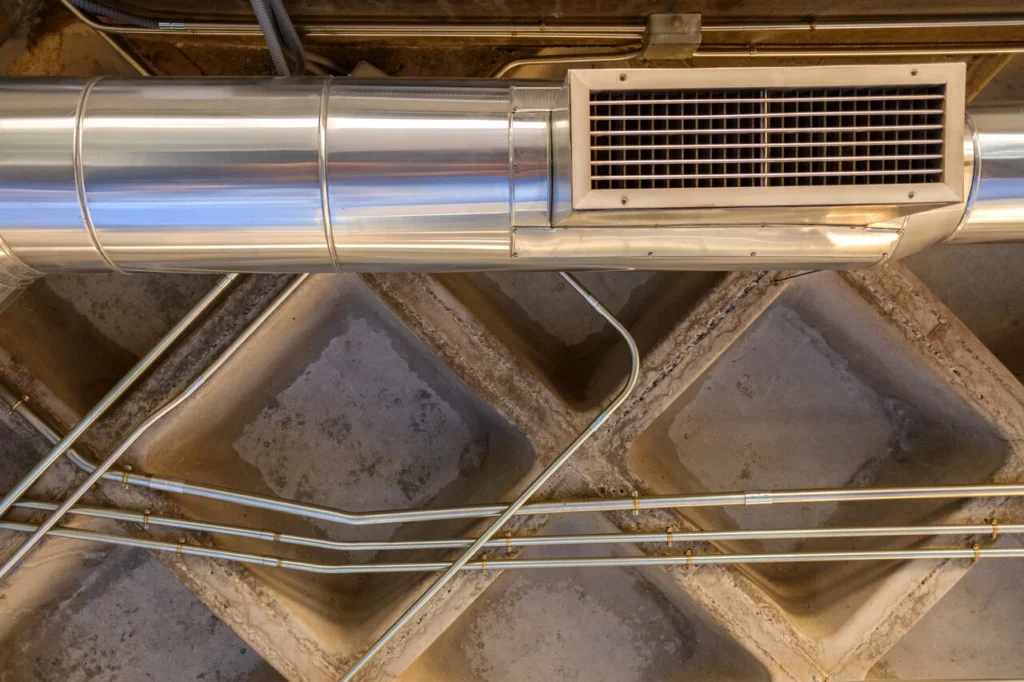
Your home’s ductwork carries heated and cooled air from your HVAC system to rooms throughout the house. When those ducts leak, become damaged, lose insulation, or restrict airflow, the effects can show up as uncomfortable rooms, weak airflow, unusual noises, and longer HVAC run times.
Many air ducts are hidden in attics, walls, ceilings, or other difficult-to-access spaces, so homeowners may notice the symptoms before they see the actual problem. Knowing the common signs of ductwork trouble can help you determine when your system needs professional attention.
What Are the Most Common Ductwork Problems?
Common residential ductwork problems include air leaks, disconnected or damaged ducts, restricted airflow, inadequate insulation, poor duct design, excessive debris, and pest damage.
These problems can affect how effectively conditioned air reaches different areas of your home. However, similar symptoms can also result from HVAC equipment, thermostat, filter, or other system problems. Proper diagnosis is important before assuming the ducts are responsible.
1. Leaky or Disconnected Air Ducts
Duct connections can loosen, seals can deteriorate, and duct materials can become damaged over time. When supply ducts leak, some conditioned air may escape before reaching the rooms it is supposed to heat or cool.
Return-side duct leaks can also interfere with proper system operation.
What Are the Signs of Leaky Air Ducts?
Possible signs include:
- Uneven temperatures between rooms
- Weak airflow from certain vents
- Visible gaps or disconnected duct sections
- Torn or damaged flexible ducts
- HVAC equipment running longer than expected
- Persistent difficulty keeping the home comfortable
Not every airflow problem means you have a duct leak, but these symptoms provide a reason to investigate further.
Accessible minor leaks may sometimes be sealed with HVAC-approved materials such as mastic or appropriate foil tape. Standard cloth-backed “duct tape” is generally not a suitable long-term solution for sealing HVAC ducts.
If leaks are widespread, difficult to access, or located in an attic or other challenging space, professional ductwork repair is usually the safer approach.
2. Crushed, Kinked, or Damaged Flexible Ductwork
Flexible ducts are common in many homes, but their performance depends heavily on proper installation and support.
A flexible duct can become compressed, kinked, torn, or crushed. Objects stored in an attic may also accidentally damage duct runs.
When this happens, airflow can become restricted before conditioned air reaches the intended room. You might notice one bedroom receiving much less air than the rest of the house even though its vent is open.
Avoid placing boxes or other objects on exposed ductwork. If you notice sagging, crushed, torn, or disconnected sections, have them evaluated rather than attempting to reshape severely damaged ducts yourself.
3. Poorly Insulated Ductwork
Duct insulation is particularly important when ducts travel through unconditioned areas such as an attic.
During a Texas summer, attic temperatures can become much hotter than the conditioned air traveling through the ducts. Damaged or inadequate insulation can allow unwanted heat transfer before that air reaches your living space.
Potential signs of insulation problems include:
- Torn or missing insulation
- Visible deterioration around ducts
- Condensation on or around ductwork
- Rooms that are consistently difficult to cool
Condensation deserves particular attention because moisture around ducts can have several causes. The source should be identified rather than simply covering or drying the affected area.
4. Poor Duct Design or Incorrect Sizing
Sometimes the problem is not damage. The duct system may not have been designed or installed appropriately for the home and HVAC equipment.
Duct performance can be affected by factors such as sizing, layout, length, fittings, installation quality, and airflow balance.
Problems can also develop after renovations. For example, adding rooms or replacing HVAC equipment without considering the existing duct system can create new airflow challenges.
Signs of a Duct Design Problem
Watch for problems such as:
- One room that has always been hotter or colder
- Consistently weak airflow in part of the home
- Excessive airflow or noise at certain registers
- Comfort problems that began after remodeling
- Persistent distribution problems after HVAC replacement
Simply installing larger ducts is not necessarily the answer. An HVAC professional can evaluate airflow and the existing duct design to determine what changes, if any, are appropriate.
5. Blocked or Restricted Airflow
Not every airflow problem originates deep inside the duct system.
Before assuming you need duct repairs, check whether furniture, rugs, curtains, or other household items are blocking supply or return vents. You should also inspect your HVAC filter according to the manufacturer’s recommendations.
A dirty filter can restrict airflow and affect HVAC performance.
Avoid routinely closing vents throughout unused rooms as an energy-saving strategy unless your HVAC system was specifically designed to operate that way. Altering airflow can affect how the overall system performs.
If vents are open and the filter is in appropriate condition but airflow remains weak, the system may need professional diagnosis.
6. Dust and Debris Inside Air Ducts
Some dust inside residential ductwork is normal and does not automatically mean the entire system needs professional duct cleaning.
Dust around a register can have several possible sources, including normal household dust. Regular filter checks and general home cleaning can help manage airborne particles and prevent excessive debris from entering the HVAC system.
Do Dirty Air Ducts Need to Be Cleaned?
Duct cleaning should not automatically be treated as routine maintenance that every home needs on a fixed schedule.
Professional evaluation may be appropriate if there is substantial visible contamination, evidence of pests, or excessive debris entering occupied spaces.
If moisture, pests, or another underlying problem is contributing to contamination, addressing that source is just as important as cleaning the affected ducts.
7. Pest Damage in Ductwork
Rodents and other pests can sometimes enter attics, crawlspaces, or other areas where HVAC ducts are located. They may damage flexible duct materials or insulation and create contamination concerns.
Possible signs include:
- Scratching or movement sounds
- Unusual odors
- Visible droppings in accessible areas
- Torn insulation or flexible duct material
- Other evidence of pest activity
If you suspect an infestation, pest removal should be handled appropriately before contaminated or damaged ductwork is repaired.
Do not cover HVAC supply or return openings with materials that could interfere with designed airflow in an attempt to keep pests out.
8. Unusual Ductwork Noises
HVAC systems are not completely silent. Air movement and normal expansion or contraction of materials can produce some sound.
However, new or persistent rattling, whistling, popping, or banging deserves attention.
Unusual duct noises may be related to loose components, airflow restrictions, pressure differences, improperly secured ducts, or normal thermal expansion that has become particularly noticeable.
An HVAC technician can help determine whether the sound originates in the ductwork or somewhere else in the system.
How Can You Prevent Ductwork Problems?
While not every duct problem is preventable, homeowners can take several steps to protect the system:
- Check HVAC filters regularly and replace them as appropriate.
- Keep supply and return vents unobstructed.
- Avoid storing items on exposed attic ductwork.
- Look for visible tears, gaps, or disconnected sections.
- Watch for condensation and damaged insulation.
- Address pest problems promptly.
- Investigate sudden changes in airflow.
- Have persistent comfort problems professionally diagnosed.
Regular attention can help you catch visible problems before they become more extensive.
Should You Repair or Replace Damaged Ductwork?
The right solution depends on the condition and design of the duct system.
Repair may be appropriate for isolated leaks, loose connections, damaged insulation, or individual sections of damaged ductwork.
More extensive replacement or redesign may make sense when there is widespread deterioration, severe flexible duct damage, significant leakage, or persistent sizing and design problems.
There is no universal age at which all ductwork needs replacement. Condition, materials, installation quality, accessibility, and system performance all matter.
Can Ductwork Problems Increase Energy Use?
Yes. Duct leaks, inadequate insulation, restrictions, and poor design can contribute to unnecessary energy use because the HVAC system may need to operate longer to maintain comfortable indoor temperatures.
However, there is no single percentage of energy savings that every homeowner should expect after duct repairs. The impact depends on the location and severity of the problem, HVAC equipment, home construction, and other factors.
Get Professional Ductwork Service From Infinity Texas Air
Your HVAC equipment is only part of your home’s comfort system. Conditioned air still needs an effective path to reach each room, which makes properly functioning ductwork an important part of heating and cooling performance.
If you notice weak airflow, uneven temperatures, unusual noises, damaged ducts, or other signs of an air distribution problem, contact Infinity Texas Air for professional ductwork and HVAC service in Mesquite, Forney, Mabank, Terrell, and surrounding Texas communities. Our team can identify the source of the problem and recommend the appropriate duct sealing, repair, insulation, or replacement solution for your home.